Researchers around the world have discovered that tea contains powerful chemicals and antioxidants that show great potential in preventing the top 2 major causes of death in the United States—heart disease and cancer—as well as promoting health throughout the body. Over 500 studies have been preformed on green tea alone, and the evidence overwhelmingly suggests that drinking tea--whether green, black, oolong or white--is good for health and that the more tea you drink, the more your benefits multiply.
What makes tea so healthy? Researchers are working around the globe trying to answer this very question! Although we do not have all the answers, we do know that tea contains potent antioxidants that are more than 10 times stronger than antioxidant-powerhouses vitamins C and E. Tea is also the only source for a remarkable amino acid called L-Theanine, which is known to reduce anxiety, improve mood and lower blood pressure.
Of course, tea is also health for what it does NOT contain. . . which is no fat, sodium, and virtually no calories (around 2 calories per cup). Tea contains several B vitamins that are water soluble and quickly release into the cup as well as riboflavin, niacin, folic acid, pantothenic acid, magnesium, potassium, manganese, fluoride, carotene, vitamin C, iron, zinc, chlorophyll, and calcium. Drinking 2 cups of tea per day is said to provide the same bone health benefits as 2-3 servings of dairy.
Tea contains high levels of specific organic compounds known as polyphenols, which are very potent antioxidants. Antioxidants play an important role in maintaining health by preventing free radicals (unstable molecules) from causing damage to cells which can lead to disease, aging, and cancer. Similar to the way oxidation causes cars to rust, oxidative stress on a cellular level can damage DNA and has been linked to the onset of illnesses such as cancer and heart disease. Antioxidants prevent free radicals, the unstable molecules that result from oxidation, from damaging cells.
Researchers have discovered that green tea contains 200 times the antioxidant levels as vitamin E, making it 25 times more effective at neutralizing free radicals. Tea’s antioxidant capacity may also be 100 times more effective than vitamin C. In fact, tea appears to contain some of the most potent disease-fighting substances found in food.
The American Cancer Society suggests that two thirds of cancers can be prevented by improving diet and stopping unhealthy lifestyle habits. Therefore, adding tea to your daily routine is a simple and pleasurable way to improve your diet. . . and could potentially add years to your life.
Many factors influence disease such as smoking, heredity, poor diet, lack of exercise, and stress. Although tea shows great potential in research around the world and is backed by 4,000 years of health claims in China, each of us is different and results will vary. For best results, we, at Octavia tea, recommend incorporating tea into an already healthy lifestyle.
You may have noticed that drinking a cup of tea feels nurturing and comforting. This is not your imagination! Scientists have discovered that Theanine, a rare amino acid found exclusively in high-quality tea, has beneficial effects on the body. Theanine is known to promote mental and physical relaxation, improve mood and reduce anxiety without causing drowsiness. This important amino acid directly stimulates the production of alpha brain waves, creating a state of deep relaxation and mental alertness similar to what is achieved through meditation. It also positively affects neurotransmitters, such as dopamine and serotonin, in the brain. Scientists believe that Theanine may also increase concentration and memory, combat PMS, and regulate blood pressure.
In a society that spends over 700 million dollars on antidepressants, the stress relief brought by a cup of tea may be much needed!
Although Green and White teas are reported to have higher antioxidant levels than Black Teas, all true teas are rich in antioxidants and health-promoting properties. We encourage customers to select teas based on taste. After all, the tea that is healthiest for you is the one you will drink the most!
Also, different types of tea contain different types of antioxidants, so, just as you wouldn't eat only one kind of vegetable, drinking a variety of teas may provide an increased spectrum of healthy benefits.
HEART
Tea’s antioxidants may help reduce the risk of heart disease and stroke in several ways: by maintaining artery and vein health, lowering total cholesterol, improving the ration of LDL to HDL cholesterol, lowering blood pressure, and reducing the risk of blood clots. High blood pressure damages blood vessels and also increases the risk of stroke.
A study conducted by Harvard University researchers found that participants who consumed one cup of black tea a day lowered their risk of heart attack by as much as 44 percent compared with non-tea drinkers.
-The Atlanta Journal (July 9, 1999)
In a recent test at the Boston University School of Medicine, heart patients drank either plain water or four cups of black tea daily. In one month, the impaired blood vessel functioning visibly improved in about 50% of the tea drinkers.
-Circulation: The Journal of the American Heart Association (2001)
A recent study published in the American Journal of Epidemiology reveals that the risk of heart attacks in people who drank 1 or more cups of tea per day was about half that of non tea drinkers.
-American Journal of Epidemiology
Further evidence that tea may help people who already have heart disease came from researchers at the Boston University School of Medicine, who reported in a 2001 issue of Circulation (the journal of the American Heart Association) that even short-term tea drinking appears to improve blood-vessel functioning in patients with coronary heart disease.
-Consumer Reports
According to a recent report, scientists found that participants who drank the most tea were the least likely to die during the three or four years following a heart attack.

-Medical Update (January 2002)
A Dutch study published in the American Journal of Clinical Nutrition (May 2002) found that the incidence of myocardial infarction, or heart attack, decreased by 43 percent among people who drank more than three cups of black tea per day.

-Tea Council of the US newsletter
Women over the age of 55 who drank one or two cups of black tea a day were 54% less likely to have severe atherosclerosis, which can lead to heart attack or stroke, than non-drinkers. The more tea they drank, the less their risk.
-Archives of Internal Medicine (October 11, 1999)
According to a longitudinal, population-based study, researchers analyzed the tea consumption of 4,807 men and women ages 55 and older. Drinking more than 3 cups of tea a day reduced the risk of myocardial infarction (heart attack) in half.
-RN (June 2002)
A study led by Harvard University Researchers indicated that drinking 4 cups of tea per day had a significantly lower risk of death following heart attack.
-Circulation; Journal of the American Heart Association (May 2002)
Another study showed that men who drank black tea lowered their cholesterol levels. Men who drank five cups of tea a day lowered their cholesterol levels more than those who drank one cup a day. Women tea drinkers also lowered their cholesterol levels. The more tea people drank, the more their systolic blood pressure lowered. Researchers also concluded that tea drinkers were less likely to die from heart attack than non-tea drinkers.
-The Little Book of Healthy Teas
A Dutch study published last year found that tea drinkers had half the risk of having a heart attack, and one-third the risk of a fatal heart attack, compared with nondrinkers. . . . The participants, men and women mostly in their 60s, were similar in other ways such as education, income, exercise habits, smoking, and drinking habits.
-LA Times (February 24, 2003)
Researchers from the USDA Beltsville Human Nutrition Research Center in Maryland reported that volunteers who drank five cups of tea a day lowered their LDL cholesterol—the artery clogging kind—by an average of 10 percent, enough to slash heart attack risks significantly. The results are particularly impressive because the study was so carefully controlled.
-Eating Well: The Magazine of Food and Health (Winter 2003)
CNN reports a study in which 220 participants received either tea extract or a placebo. After only 12 weeks, the group that received tea extract lowered their total cholesterol 11 percent and the bad type of cholesterol 16 percent. The diet between the two groups was the same. The results of this study are surprising because these significant results happened only after 12 weeks.
-CNN.com (June 24, 2003)
Drinking one or two cups of black tea a day lowered study subjects’ risk of severe coronary artery disease by 46 percent. Drinking four or more cups a day lowered risk by 69 percent.
-The Little Book of Healthy Teas
Epidemiologist Howard Sesso and his research team studied 680 men and women, half of whom had suffered a heart attack. Those who drank 8-ounces or more of black tea each day cut their risk of having a heart attack by 44 percent compared to nondrinkers.
-Eating Well: The Magazine of Food & Health (Winter 2003)
Research by doctors in Israel found that people who drank more than 14 cups of tea per week had a 44% lower death rate than non-tea drinkers in the three and a half years following their heart attacks. Those who consumed less than 14 cups a week had a 28% lower death rate over the same period. There was little difference between patients in terms of exercise, income, education, smoking, and drinking habits.
-Circulation: The Journal of the American Heart Association
A Scandinavian study of men aged between 50-69 indicated that drinking 4-5 cups of tea per day reduced the risk of stroke by 69% and had a beneficial effect on high blood cholesterol and blood pressure.
A study of patients with heart disease found those who are heavy or even moderate tea drinkers live substantially longer than those who do not drink tea.
A doctor at Boston’s Beth Israel Deaconess Medical Center reported that out of 1,900 heart-attack patients, those who drank two or more cups of tea a day reduced their risks of dying over the next 3.8 years by 44 percent.
-Newsweek (May 20, 2002)
The lead researcher at Boston’s Beth Israel Deaconess Medical Center’s study (described above) explained "What was surprising was the magnitude of the association. The heaviest tea drinkers had a significantly lower mortality rate than non-tea drinkers." He added: "The greatest benefits of tea consumption have been found among patients who already have cardiovascular disease."
In a study published by Circulation: The Journal of the American Heart Association, Mukamal followed more than 1,900 people who had suffered a heart attack. Almost four years later, heavy tea drinkers (14 or more cups a week) had a 44% reduced risk of dying compared with nondrinkers. Even patients who were moderate tea drinkers (less than 14 cups a week) showed some added protection compared to nondrinkers. . . . The participants, men and women mostly in their 60s, were similar in other ways such as education, income, exercise habits, smoking, and drinking habits.
-Los Angeles Times
A study investigating 6,000 Japanese women over 40 showed that those who drank about 5 cups of green tea a day had a 50% decrease in the risk of stroke.
-Natural Health (March/April 1994)
Tea may help protect the heart by relaxing blood vessels, improving cholesterol levels, and inhibiting blood clots—which can trigger a heart attack or stroke
-Consumer Reports
Researchers at the Beltsville Human Nutrition Research Center in Maryland gave subjects the same prepared meals and either tea or a placebo drink that mimicked the look and taste of tea. Levels of low-density lipoprotein (LDL) cholesterol dropped 10 percent in the test subjects who drank tea.
-Vegetarian Times (Jan 2003)
Antioxidants in tea help maintain healthy blood vessels. Flavonoids in tea help reduce blood clotting and prevent cholesterol deposits in arteries. EGCG in green tea blocks the absorption of cholesterol by blood vessels.
Green tea contains an amino acid called theanine, which helps reduce blood pressure. It also increases GABA, a brain chemical that has a soothing effect.
-Organic Style: The Art of Living in Balance (March/April 2003)
Dr. Joseph Vita of Boston University presented his research at the annual meeting of the American Heart Association in New Orleans. He explained that drinking tea makes the blood vessels of patients with heart disease function better within two hours, and the effects are maintained after 4 weeks. Blood vessel dysfunction is associated with heart disease. He further stated, “This study demonstrates that drinking tea reverses an important abnormality of blood vessel function in patients with coronary heart disease.”
Vita also clarified that these effects were not due to the caffeine found in tea since blood vessel function was unchanged in a control group of participants who took a caffeine tablet equivalent to two cups of tea.
A Dutch study, published in the Archives of Internal Medicine in 1999 involving more than 3,400 people without cardiovascular disease, found that the risk of developing severe atherosclerosis, which can lead to heart attack or stroke, was 46 percent lower for participants who drank one to two cups of tea per day.
-Consumer Reports
Japanese researchers found similar results in a study of 393 people—70 percent with atherosclerosis—published last year in The American Journal of Cardiology; study participants who drank one or more cups of tea per day were 42 percent less likely to have a heart attack.
-Consumer Reports
Drinking black tea may lower the risk of heart disease by preventing blood from clumping and forming clots. Researchers found that participants who were given black tea had lower levels of the blood protein associated with coagulation.
-Better Nutrition (January 2002)
A clinical trial published in 2002 found that regular consumption of tea significantly and consistently increased endothelium-dependent and endothelium-independent blood vessel dilation. These results suggest that the flavonoids found in tea may support endothelial function, an important indicator of overall cardiovascular health.
-Tea Council of the USA
Men who had the highest intake of flavonoids had a 73% lower stroke rate than men who had a low intake of flavonoids (70% of the flavonoid source was black tea). Men who drank 4.7 cups a day of black tea had better test results than men who drank 2.6 cups a day.
-The Little Book of Healthy Teas
CANCER
Researchers believe that tea works to prevent cancer in three ways:
First, antioxidants stop free radicals from damaging healthy cells and tissue, which stops cancer before it starts. Second, polyphenols prevent damaged cells from metastasizing (multiplying and spreading), which slows cancer development. And third, certain polyphenols may even destroy cancer cells—a process called apoptosis—without harming the surrounding healthy cells and may halt tumor growth. “In other words, what we’re finding is that substances in tea not only help prevent cancer but also help eliminate any tumor cells that do arise” explains Mukthar, a professor of investigative dermatology at the University of Wisconsin.
Scientists now view tea as a possible supplement to cancer treatment and some researchers are examining medications made from green teas powerful ingredients. In fact, when Japanese researchers combined cancer medications with polyphenols, the treatment was 20 times more effective than the cancer drugs alone. The National Cancer Research Institute in Tokyo recommends green tea as one form of cancer prevention.
Mitchell Gaynor, MD, director of medical oncology at the world-renowned Strong Cancer Prevention Center in New York City and co-author of Dr. Gaynor’s Cancer Prevention Program, says that “Tea is one of the single best cancer fighters you can put in your body.”
-Prevention (May 2000)
Researchers at Japan’s Aichi Cancer Center who tracked the health of some 1,100 breast-cancer patients between 1990 and 1999 found evidence of a lower recurrence among women who drank 3 or more cups of tea per day.
-Consumer Reports
A study at Case Western University found that substances in tea can significantly slow the growth of prostate-cancer cells in laboratory mice. These results may explain why prostate cancer in Japan and China, where tea drinking is part of everyday life, are among the lowest in the world—five cases per 100,000 men, compared to 40 per 100,000 in the United States.
-Eating Well: The Magazine of Food & Health (Winter 2003)
Women who had a history of drinking five or more cups of green tea a day had fewer recurrences of breast cancer and a slower spread of the disease.
-The Little Book of Healthy Teas
A Japanese study revealed that female participants who drank more than 10 cups a day lived 6.5 years longer and male participants lived 4.5 years longer.
-The New York Times Magazine (January 2003)
In a recent test-tube study, green and black tea kept healthy cells from turning malignant after exposure to cancer-causing compounds. Green tea was slightly more effective than black.
-Prevention (May 2000)
A study published last year (2002) in the journal Carcinogenesis, involving more than 18,000 Chinese men, revealed that tea drinkers were about half as likely to develop stomach or esophageal cancers as nondrinkers.
-Consumer Reports
EGCG in green tea makes cancer drugs twenty times more effective. Scientists added EGCG to test tubes containing breast cancer cells and the cancer drug tamoxifen. The tea-enhanced mixture killed twice as many cancer cells as tamoxifen alone.
-The Little Book of Healthy Teas
A Japanese study discovered that women who drank the most tea had the least advanced breast cancers and were less likely to have their cancer spread.
-Better Homes & Gardens (February 2003)
Researchers at the Kaohsiung Medical University in Taiwan observed the effects of EGCG (one of the powerful antioxidants found in tea) on the human liver cancer cell line, Hep G2, and found that EGCG inhibited proliferation of the cancer cells by inducing cell death and blocking the cancer’s progression. This study supports other research suggesting that green tea may have beneficial anti-cancer effects.
-Journal of Biomedical Science (March/April 2003)
Green tea’s polyphenols can boost white blood cells, and may be an effective supplement to chemotherapy and radiation treatments that impact bone marrow and lower white blood cell count.
-The Little Book of Healthy Teas
ECG, one of the polyphenols in tea, has been shown to reduce the rate of lung, skin, and stomach cancer in mice.
-Preventative Medicine
In one of the largest studies of tea to date, Iowa researchers studied more than 35,000 postmenopausal women. Those who drank at least 2 cups of black tea a day were 40% less likely to develop urinary tract cancer and 68% less likely to develop cancer in the digestive tract than women who did not drink tea.
-American Journal of Epidemiology (July 1996)
A natural diuretic, tea helps cleanse and detoxify the liver and kidneys. Tea’s catechins support liver enzyme functioning and protect the liver from toxins. Epidemiological research from Japan suggests that the more green tea people drink, the less liver damage they exhibit. EGCG is believed to prevent pro-carcinogens in the liver from becoming carcinogens and to protect the liver from some types of toxic mold.
-The Little Book of Healthy Teas
In a study following 8,552 Japanese adults for 9 years, researchers found that drinking tea can delay the onset of cancer. Women who drank 10 or more cups of green tea a day were almost 9 years older when cancer occurred than women who drank fewer than 3 cups. Men who drank 10 or more cups of tea each day were, on average, 3 years older when cancer occurred.
-Eating Well: The Magazine of Food & Health (Winter 2003)
Researchers at the Linus Pauling Institute of Oregon State University in Corvallis tested tea to determine whether it could help prevent genetic mutations in bacteria and colon and rectal cancer in cancer-prone rats. In both experiments, white tea had a strong protective effect. White tea offered significantly more protection than green tea. “I was surprised by the potency. We were not expecting that much of a good result,” Dr. Santana-Rios told Reuters Health.
-Reuters Health (March 30, 2002)
Researchers from the National Center for Toxicological Research extracted polyphenols and theaflavins—some of the healthy substances found in tea—and demonstrated that they significantly inhibited the growth of human pancreatic and prostate tumor cells.
EGCG in green tea blocks cellular mutation, halts tumor growth, and stops liver enzymes that convert pro-carcinogens (i.e., harmless substances in the body that can turn into cancer agents) into carcinogens.
-The Little Book of Healthy Teas
EGCG in green tea blocks enzymes that cause cancer cells to grow and it can destroy cancer cells without damaging surrounding healthy cells. Scientists also revealed that this effect is 10 to 100 times more potent in green tea than in black tea.
-The Little Book of Healthy Tea
Green tea prevents the initiation stage of cancer (i.e., the mutation of DNA); blocks cell damage from nitrates (i.e., substances in meats that turn carcinogenic when meat is cooked or blackened); and metabolizes carcinogens, rendering them inactive. One study suggested that drinking five cups of tea a day and drinking tea before eating meat may provide protective effects from nitrates.
-The Little Book of Healthy Teas
In a study at UCLA using 600 Chinese men and women, researchers showed that drinking green tea divided the risk of chronic stomach inflammation in half. Chronic stomach inflammation can lead to cancer.
Human studies indicate that drinking green tea can lower the rate of esophageal cancer, mouth cancers, and gastric cancers. Research also suggests that green tea may reduce the risk of some forms of stomach cancer.
A recent study from Rutgers University indicates that components in green tea may reduce skin tumors in mice.
EGCG from green tea blocks production of the enzyme urokinase. Without urokinase, a tumor can’t destroy proteins of normal cells which it does to make room for the growing tumor and the blood supply it needs for continued growth. Basically, without urokinase the tumor starves.
Regular green tea drinkers (who did not smoke or drink alcohol) had a 60 percent lower risk of esophageal cancer than non-tea drinkers.
Precancerous oral lesions showed significant improvement and decreased proliferation after being treated with a mixture of black and green tea substances.
-The Little Book of Healthy Teas
EGCG kills cancer cells and, in particular, inhibits prostate cancer cells.
-The Little Book of Healthy Teas
Surveys of Japanese tea drinkers indicate that those who drink 4-6 cups of green tea a day have lower levels of breast, lung, skin, liver, and esophageal cancers than those who drink less tea or none at all.
A study preformed in China extended the lives of fruit flies with jasmine tea. A similar study in Japan used green tea to extend the life expectancy of rats.
A University of Minnesota study, published in the American Journal of Epidemiology, tracked more than 35,000 Iowa women and showed that postmenopausal women who drank 2 or more cups of tea per day had a 32 percent less chance of developing cancer of the digestive tract.
-Consumer Reports
Dr. Zuo Feng Zhang, a researcher at UCLA’s Jonsson Cancer Center, published a study in 2001 showing that drinking green tea can reduce the risk of chronic gastritis by half. Chronic gastritis is an inflammatory disease that causes precancerous lesions, which can progress to stomach cancer.
-LA Times (February 2003)
In one study, mice were first inoculated with cancer cells and then studied for the growth of malignancies. One group was given an extract of green tea while the control group was not given the extract. Comparisons between the two groups showed a marked reduction in the growth of tumors among the group receiving green tea.
-Japanese Tea Association publication
In a study with researchers from the Cancer Institute, Chinese Academy of Medical Science (Beijing), mice were given substances that transformed in the body to cancer-causing chemicals generating carcinoma in the esophagus and stomach. Administration of green tea extract reduced the incidence of cancer to less than 50%. These same results were replicated under different conditions at the National Cancer Institute (Tsukiji, Tokyo) in Japan. Green tea and its components have, therefore, been shown to reduce the growth as well as the actual generation of cancer.
-Japanese Tea Association publication
A healthy immune system makes 10 million proteins called antibodies every single hour. This powerful activity requires a plentiful supply of nutrients. When antibodies attack harmful substances and repair cellular damage, potentially damaging compounds, called free radicals, form as a byproduct. Antioxidants can mop up these free radicals. Both black and green teas are higher in antioxidants than any fruit or vegetable.
-Prevention (November 2002)
Scientists in China discovered that after adjusting for demographic, lifestyle, and familiar factors, ovarian cancer risk declined corresponding to frequency and duration of the study subject’s tea consumption.
-Cancer Epidemiological Biomarkers Prevention (August 2002)
SMOKING
Data from human clinical trials suggests that tea may reduce damage to tissues associated with the development of chronic disease. For example, a study in both China and the U.S. found that drinking green tea reduces levels of oxidation in smokers. Nonsmokers also exhibited a decrease in overall oxidative stress.
Although Japan has one of the highest rates of smokers in the world, they have one of the lowest rates of lung cancer of any developed nation. Scientists assume that this finding is a result of not only dietary habits and lifestyle, but also because of the higher consumption of green tea. Supporting this view, scientists discovered that the largest tea-growing region in Japan, Shizuoka province, also has the lowest death rate from cancer in the whole country and reports virtually no incidence of stomach cancer. Aside from higher tea consumption, this area has the same diet and lifestyle as the rest of Japan.
Scientists have shown that the antioxidant capacity in blood increases significantly within 30 to 60 minutes of drinking a cup of tea. In a study of cigarette smokers (chosen because cigarette smoke generates unstable oxygen molecules), researchers discovered that the oxidative damage to DNA and the generation of oxygen radicals lowered after 7 days of drinking 6 cups of green tea per day. By blocking oxidation, the potent flavonoids in tea may help prevent damage to DNA that would otherwise render healthy cells cancerous.
-Eating Well: The Magazine of Food & Health (Winter 2003)
Drinking green tea is encouraged for smokers, since an indicator of cell damage fell 25% in smokers who drank green tea.
-US News and World Reports (October 7, 2002)
Researchers at the American Chemical Society in 1991 reported that cigarette smokers who drank green tea had a 45% lower risk of cancer than non-tea drinkers who smoke.
A study in China concluded that smokers who drink tea have a lower incidence of lung cancer than non-tea drinkers.
Animal studies have shown that tea may reduce the risk of lung cancer.
Green tea has been shown to reduce damage to blood vessels in smokers.
-The Little Book of Healthy Teas
ARTHRITIS
Green tea can help protect your joints in two ways: by reducing inflammation and by protecting against cartilage breakdown. It can even help improve joint mobility.
-Organic Style: The Art of Living in Balance (March/April 2003)
Researchers gave arthritis-prone mice either green tea (the equivalent of 4 cups for humans) or water. The green tea halved the mice’s risk of developing arthritis. Also, according to research at Rutgers, the newly discovered anti-cancer compound in tea, TF-2, suppresses the Cox-2 gene that triggers inflammation in the body. This is the same way the drugs Vioxx and Celebrex work.
Green tea catechins are chondroprotective and the consumption of green tea may inhibit arthritis and benefit arthritis patients by reducing inflammation and slowing cartilage breakdown.
-The Journal of Nutrition (March 2002)
Scientists at Case Western University in Cleveland injected two groups of mice with substances that caused immune reactions similar to those resulting from rheumatoid arthritis. One group received water, and the other received water laced with polyphenols—chemicals found in green tea. Nearly all the mice who drank regular water got arthritis-like symptoms compared to less than half the treated mice.
-Boston Globe (April 26, 1999)
BONES
Tea drinkers have increased bone mineral density compared to non-tea drinkers, according to a Taiwanese study. Drinking 2 cups of tea per day is said to provide the same bone health benefits as 2-3 servings of dairy.
-Health (November 2002)
Taiwanese researchers last year announced that longtime tea use appears to strengthen bones. The study, published in the Archives of Internal Medicine, found that hip bone density was 6.2% higher in people who drank tea habitually for 10 years or more, compared with nondrinkers. People who drank tea regularly for six to 10 years had a 2.3% higher bone density.
-LA Times
Tea appears to prevent your bones from weakening as you age. Women, age 65-75, who drank at least one cup of tea a day had significantly higher bone density in the spine and thighs—both common fracture areas caused by osteoporosis—than women who did not drink tea.
-American Journal of Clinical Nutrition (April 2000)
The Archives of Internal Medicine published a study that reviewed 500 Chinese men and women who regularly drank black, green, or oolong tea for more than 10 years. Compared with non-habitual drinkers, tea drinkers had higher bone mineral densities—even when other factors such as exercise and calcium—were taken into account.
-U.S. News & World Report (May 20, 2002)
The British study, published in 2000 in the American Journal of Clinical Nutrition, found higher bone density in women who drank at least one cup of tea a day.
-LA Times
ORAL HEALTH
A natural source of fluoride, tea (both green and black) may be helpful in preventing tooth decay that leads to cavities. Tea’s antioxidants also play a role in oral health by preventing the growth of bacteria that causes plaque to form on teeth.
-The Little Book of Healthy Teas
A University of Illinois study revealed that polyphenols in tea slowed the growth of bacteria associated with bad breath and inhibited growth of pathogens in the mouth.
-BBC News (May 20, 2003)
Green tea counters bad breath better than mint, parsley, or chewing gum.
-Organic Style: The Art of Living in Balance (March/April 2003)
Researchers at the University of British Columbia found that green tea is one of the most effective strategies for wiping out the germs and volatile sulfur compounds that cause bad breath.
-Men’s Heath (March 2003)
Drinking tea fights cavities because of compounds that prevent harmful bacteria from sticking to teeth. Studies suggest drinking tea after meals prevents gum disease and tooth decay.
-Better Homes & Gardens (February 2003)
Canadian researchers blocked cavities in mice by replacing their water with tea.
COLD & ALLERGY
-The most common therapeutic use for tea in the United States –to ease cold symptoms—is also getting a closer look by scientists. A particular compound found in green tea, methylated epigallocatechin gallate, can block the production of two substances in the body that cause sneezing, watery eyes and coughing.
-LA Times
Multiple tests suggest that tea can neutralize germs, including some that cause diarrhea, pneumonia, skin infections, and herpes. Drinking tea may help wipe out viruses in your mouth. A recent Japanese study suggests that gargling with black tea boosts immunity to influenza. Research at Harvard shows that tea chemicals stimulated gamma-delta T-cells that increase the body’s immunity against bacteria and viruses.
In laboratory tests, Japanese researchers discovered that the antioxidants in green tea block the biochemical process responsible for producing an allergic response. Green tea may be useful against a wide range of allergens including pollen, pet dander, and dust.
-Prevention (April 2003)
Catechin is considered effective in inhibiting histamine from being released into the blood and other fluids, thus relieving various allergic symptoms.
Tea can stop the growth and reproduction of some strains of bacteria that cause diarrhea.
-The Little Book of Healthy Teas
KIDNEY STONES
A study that tracked the health and habits of more than 81,000 nurses found that the risk of developing kidney stones fell by 8 percent for every cup of tea consumed per day.
-Eating Well: The Magazine of Food & Health (Winter, 2003)
SKIN
A group of American, Taiwanese, and Japanese scientists found that mice who were fed tea displayed fewer signs of aging (as measured by hair loss, age spots, the condition of skin around the eyes, and other indicators) than mice who were fed water. Oolong tea showed even better results than green tea in this study.
-The Straits Times, Sept 24, 2001
Tea is often used topically on open wounds, acne, athlete’s foot, and sunburn. Also, it appears to protect the skin from ultraviolet radiation exposure damage. Scientists are not yet sure why this works, but think it might be due to tea’s antioxidant activity.
Scientists at Case Western Reserve University and University Hospitals of Cleveland have proven that ingredients in white tea can boost the immune function of skin cells and protect them from harmful UV rays. This discovery could be important in the fight against skin cancer.
-NutraIngredients.com (January 30, 2003)
White tea extract may provide anti-ageing benefits—potentially reducing wrinkling or skin pigmentation caused by oxidative stress.
MEMORY
Research indicates that Theanine, a component of tea, directly affects the function of neurotransmitters. Certain brain waves characteristically emitted in a relaxing human brain are observed frequently and for a long period of time after a Theanine intake. Additionally, scientists have found that Theanine strengthens memory ability. Theanine is found predominantly in very high quality green or white tea, especially in young leaves or buds before the Theanine has been converted into Cathechins by sunlight.
EYES
Eye researchers in India retarded cataracts in rats by feeding them green tea extract.
-Experimental Eye Research (September 2001)
WEIGHT LOSS
Polyphenols in green tea appear to accelerate calorie burning—including fat calories—by blocking the enzyme that breaks down norepinephrine, a brain chemical that regulates metabolism. Higher levels of norepinephrine increases your metabolism and allows you to burn calories more efficiently.
-A woman’s guide to optimal health & Balance
In one study, researchers divided participants into three groups and gave them either a placebo (sugar pill), caffeine, or green tea extract, which was standardized to 50 percent of the active ingredient epigallocatechin gallate (EGCG). Researchers found that those who received the green tea burned an additional 500 calories per week, with no changes in diet or physical activity. That equates to about eight pounds per year. They also burned more fat than either the placebo or caffeine groups.
-A woman’s guide to optimal health & Balance
Compared to placebo and caffeine, 270 mg of EGCG (the amount in 2-3 cups of green tea) produced a significant 4 percent increase in energy expenditure, or about 80 extra calories per day. Green tea did not increase heart rate, and the calorie burning was not due to caffeine.
-American Journal of Clinical Nutrition (November 1999)
Catechin may help the body lower blood sugar, which is ideal for diabetics. It also can reduce the activity of amylase (an enzyme that converts starch to sugar). This helps dieters by reducing sugar absorption.
Jeffrey Blumberg, a professor of nutrition at Tufts University, praises tea not only for what it has but also for what it lacks—sugar, artificial sweeteners, calories, phosphates, and artificial color.
-Consumer Reports
Japanese scientists discovered that mice given high-fat diets as well as tea catechins had significantly lower body weight and reductions in visceral and liver fat accumulation compared to mice given high-fat diets without tea catechins. Feeding tea catechins also increased fat metabolism in the liver. These results suggest that long-term consumption of tea catechins could help suppress diet-induced obesity.
-International Journal of Obesity Related Metabolic Disorders (November 2002)
HEALTH BENEFITS OF ROOIBOS (aspalathus linearis):
Rooibos (pronounced “roy-boss”) grows among wildflowers in the desert landscape of the Cedarberg Mountain Range in South Africa, about 250 km north of Cape Town. No alternative source of this unique product is available anywhere in the world.
Recent research shows that Rooibos contains some of the highest known levels of anti-aging properties of any plant on earth. In fact, Rooibos is your only source for several powerful antioxidants that are not found anywhere else in nature. Many of the antioxidants found in Rooibos are similar to those found in green tea.
Rooibos is naturally caffeine-free and is recommended for people suffering from mild depression, anxiety, hypertension, or allergies such as hay fever and asthma. Rooibos is also an excellent drink for infants, children, and pregnant/nursing mothers and supplements the daily intake of calcium, manganese, and fluoride needed by growing children for strong teeth and bones. Rooibos was first used to ease colic and restlessness in babies because it has a strong soothing effect and counters allergies.
Our Rooibos contains no colors, additives, or preservatives. It also contains no oxalic acid, making it a good choice for people prone to kidney stones. Rooibos contains copper, potassium, iron, calcium, fluoride, zinc, manganese, alpha-hydroxy (for healthy skin), and magnesium (for the nervous system).
ALLERGIES:
Rooibos was traditionally used to combat allergic reactions. It helps ease hay fever and asthma due to the presence of quercetin, one of the herb’s main flavanoids.
DIGESTIVE AID:
Rooibos sooths digestive problems such as nausea, heartburn, ulcers, and constipation.
It also has antispasmotic properties that help relieve stomach cramps.
DIETING:
Rooibos is virtually calorie free (it contains around 2 calories per serving) and will help flush and hydrate the body.
CANCER:
Antioxidants, found abundantly in Rooibos, play an important role in maintaining health by preventing free radicals (unstable molecules) from causing damage to cells which can lead to disease, aging, and cancer. Similar to the way oxidation causes cars to rust, oxidative stress on a cellular level can damage DNA and has been linked to the onset of illnesses such as cancer and heart disease. Antioxidants block this oxidation process.
HEART DISEASE:
Flavonoids (potent antioxidants) are abundant in Rooibos and may improve vein and lymph vessels functioning, ease cramps or tiredness of the legs and treat various skin and circulatory disorders. Improving the circulatory system is just one of the ways Rooibos may treat heart disease.
Rooibos also appears to block cholesterol buildup, dissolve blood clots, and improve blood circulation due to a compound called Rutin that helps regulate blood pressure.
IMMUNE SYSTEM:
The high levels of antioxidants in Rooibos improve immune system functioning and keep the body healthy as a whole.
Flavanoids are antibacterial and antiviral, and help protect the liver.
MOOD
Flavanoids in Rooibos have been found to improve memory and ease anxiety.
ANTI-AGING
Rooibos may help delay the aging process and is used in a variety of skin care and cosmetic products for this reason. Aging and immune system dysfunction result from the toxic free radicals produced by normal cell functioning. Japanese scientists have found that Rooibos contains several antioxidants which attack free radicals and limit their damaging effects to the skin, body, and immune system.
INSOMNIA
Research has shown that Rooibos may help with insomnia. It contains no caffeine and has a relaxing effect on the central nervous system. However, if your body is not used to a healthy dose of antioxidants, the initial diuretic effect caused by the detoxification of your body may send you to the bathroom more frequently than normal. . . . and this will obviously interfere with a good night’s sleep!
HEADACHES
Rooibos has a relaxing effect on the central nervous system which can help ease the tension of headaches.
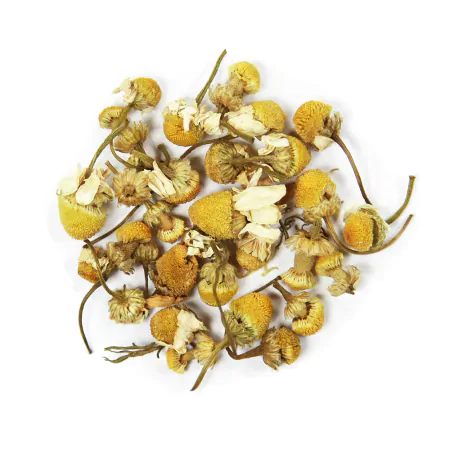
CHAMOMILE (anthemis nobilis)
Chamomile has been used for thousands of years and is one of the most popular herbs in the world.
Chamomile is best known for its ability to promote relaxation and alleviate cold and flu symptoms. While these are chamomile’s most popular uses, the benefits of this herb have many other positive effects on the body:
May alleviate menstrual pains and stomach cramping by relaxing smooth muscle tissue.
May relieve anxiety and promote relaxation
May help alleviate symptoms of the common cold, flu, and diarrhea
May sooth sore throats
May combat allergies
May induce sleep
May improve digestion
May soothe skin irritations such as sunburn, mild rash, or hemorrhoids
May help to expel worms and other parasites
May improve liver functioning
May relieve back pain
May improve rheumatism
May be good for the kidney and spleen health
Chamomile can be used both internally and externally for the treatment of allergies and skin irritations. Chamomile’s soothing effects on the skin have made this herb a popular addition to skin creams and lotions. The active ingredient in chamomile, chamazulen alpha-bisabol, also helps relieve stress, anxiety, and muscle spasms.
CHAMOMILE BATH:
To sooth skin irritations, mild rashes, menstrual pains, or sunburn, draw a relaxing, fragrant, chamomile bath. Simmer 4 tablespoons of chamomile in 2 cups of water for 20-30 minutes and add to directly to bathwater. Or make a cold chamomile compress by simmering 2 tablespoons of chamomile in 1 cup of water for 20-30 minutes. Refrigerate. When cool, soak a cloth in the brew and apply to affected area.
CAUTION!
Natural herbs can be very powerful and medicinal substances. Our society has a tendency to overlook natural herbs, instead relying on chemical medications and pills. Consequently, we often undermine the effects—both good and bad—that herbs can have on our body. Some people with allergies to ragweed may also experience an allergic reaction to chamomile.